Software Renovation Revisited: From Stable Islands to Dynamic Networks
The old mantra "Never change a running system" is outdated. Software solutions are dynamic, highly networked systems. Continuous renovation is mandatory.
English edition — originally published in German as Softwarerenovation Revisited: Von stabilen Inseln zu dynamischen Netzwerken.
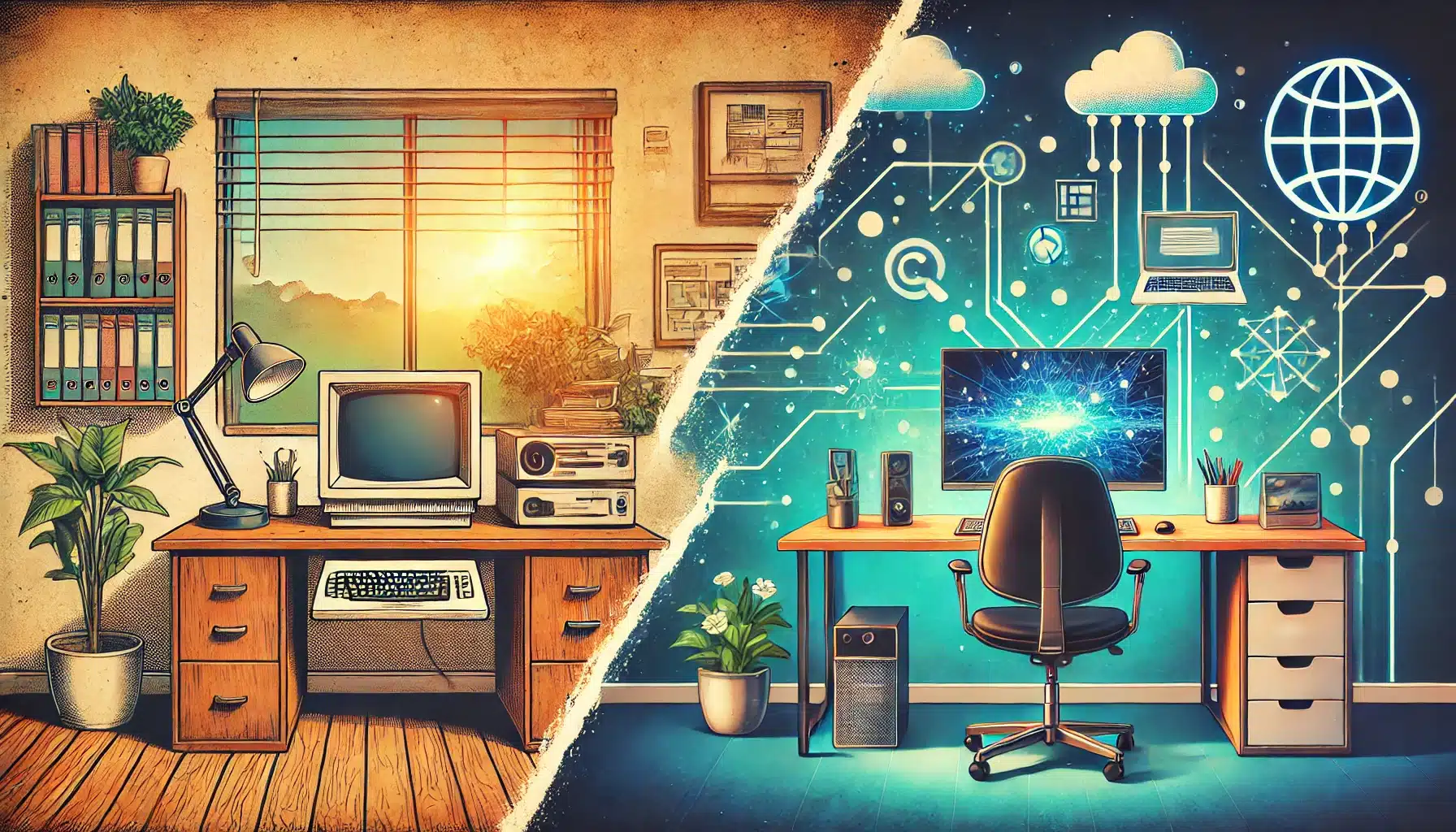
The Old Paradigm: Stability Through Isolation
The motto "Never change a running system" was long considered an unshakeable paradigm in IT. In an era where software solutions were operated internally and relatively isolated, this approach seemed sensible.
Once successfully implemented, software solutions often remained untouched for years. The concept of software renovation was largely unknown.
Past: The 1980s and 1990s
During this time, IT solutions were often operated internally:
Characteristic Features:
- Part of closed networks, often isolated in intranets
- Minimal communication with the outside world
- "Self-contained" solutions
- Less susceptible to external threats
Security Landscape Then:
- Cyberattacks primarily focused on large organizations
- Threat landscape was limited
- SMEs felt relatively secure
Business Requirements:
- New requirements were planned with long lead times
- Market changes happened gradually
- Regulatory adjustments were rare
Present: Connectivity and Dynamics as the New Reality
Today, the picture has changed drastically.
The New Reality: Exposed and Networked Systems
Modern software solutions are characterized by:
- Close integration with the internet – significantly expanded attack surface
- Complex ecosystems – part of a network of services across company boundaries
- Continuous integration – APIs, cloud services, external data sources
- Global accessibility – accessible everywhere, exposed everywhere
The Changed Threat Landscape
Today, cyberattacks are:
- Largely automated and widespread
- No longer exclusively focused on large companies
- Also targeted at SMEs
Higher Dynamics in Requirements
- Regulatory requirements: GDPR, NIS2 must be implemented quickly
- Competition: New features must be deployed quickly
- Customer expectations: Constantly rising standards
Software Renovation: An Indispensable Element
In this fast-paced environment, no company can afford to leave its software in yesterday's state.
What Software Renovation Means Today
- Continuous review of existing systems
- Modernization of architecture – migration to microservices
- Optimization of interfaces – APIs, integrations
- Adaptation to new standards – security, performance, compliance
- Technical debt reduction – addressing accumulated deficiencies
This requires close collaboration between business departments and IT.
Conclusion: The Necessity of a Paradigm Shift
The old mantra "Never change a running system" is no longer sustainable given today's requirements and risks.
Software renovation must be understood as an ongoing process – a continuous cycle of analysis, improvement, and optimization.
The New Reality
In a world where software solutions are increasingly exposed and networked, continuous adaptation and modernization are key to success.
Today, software is far more than a static tool; it is a living, dynamic system that requires continuous care and development.
The Way Forward
Companies that understand this and integrate it into their IT strategy will successfully master the challenges of digital transformation.