Facial Recognition: A Direct Path to the Surveillance State?
We have published an article on our blog that illuminates all important ethical and legal questions concerning facial recognition. We believe that facial recognition is a technology that harbors both enormous opportunities and risks.
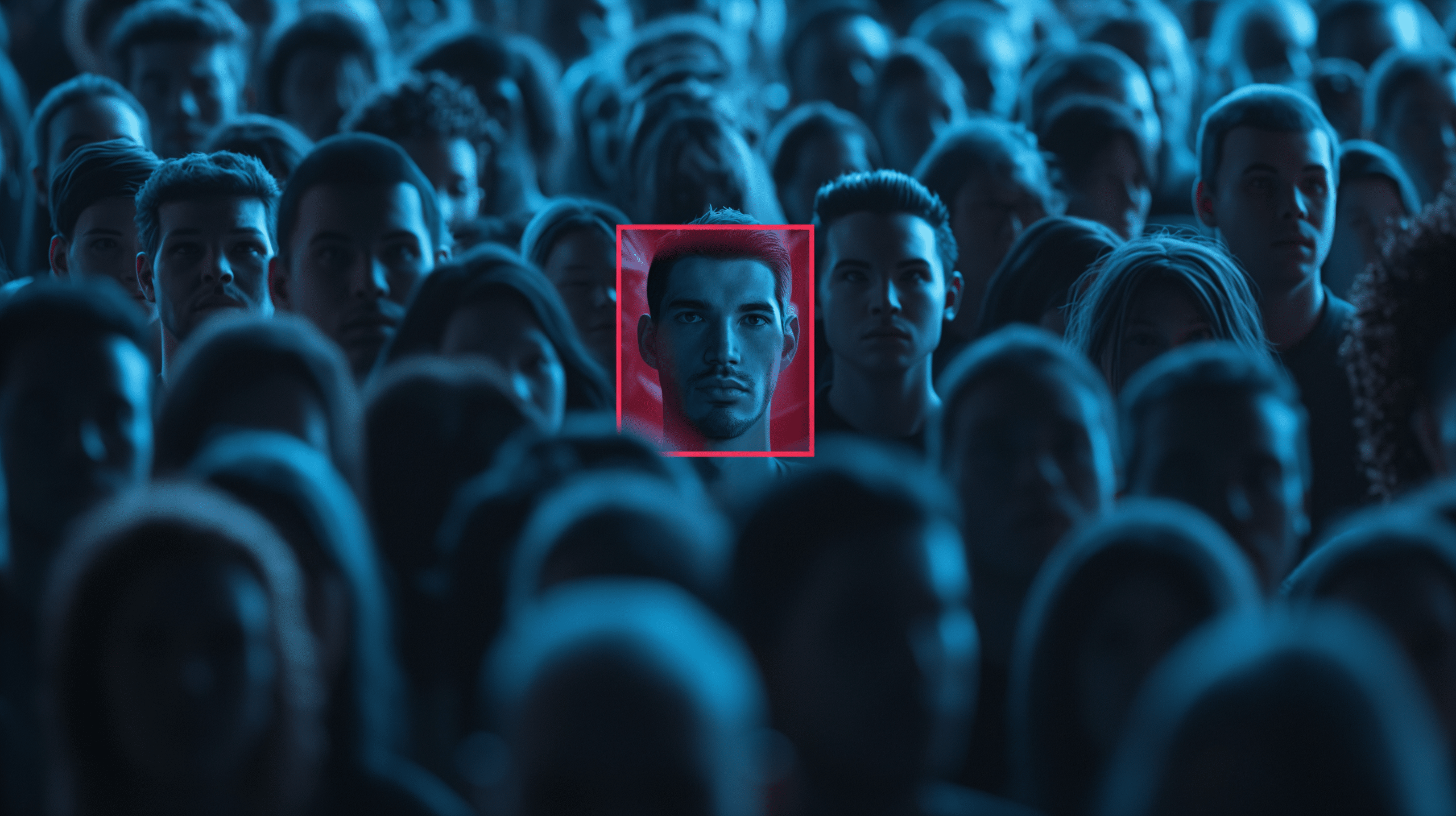
English edition — originally published in German as Gesichtserkennung: geradewegs zum Überwachungsstaat?.
Introduction
We have published an article on our blog that addresses all important ethical and legal questions regarding facial recognition. We believe that facial recognition is a technology that offers both enormous opportunities and risks. It is important that we understand these risks and handle this technology responsibly.
Ethical Questions Regarding Facial Recognition
Automatic facial recognition presents us with a series of ethical questions. On the one hand, the technology can help increase security, prevent crimes, and make our daily lives easier. On the other hand, there are legitimate concerns regarding privacy, surveillance, and potential misuse.
Technological Precision
The accuracy of facial recognition systems has improved enormously in recent years. Modern systems achieve recognition rates of over 99%. This high precision enables a variety of applications, from security systems to personalized services.
Data Protection and Legal Framework
In Switzerland and the EU, there are strict data protection laws that regulate the use of facial recognition technology. Companies and organizations must ensure that they use this technology in compliance with applicable regulations.
Areas of Application
Facial recognition is used in many areas: access control in buildings, security at airports, personalized advertising, and much more. In stadiums, it can help identify individuals with stadium bans, thus ensuring the safety of spectators.
Conclusion: Responsible Use
Facial recognition is a powerful technology that can offer many advantages when used responsibly. It is important to find a balanced approach that leverages the benefits of the technology while protecting people's privacy and rights.